


When it comes to freight transportation, few methods are as common and versatile as the dry van. In fact, dry van freight accounts for a significant portion of loads moved across the United States every day, serving industries ranging from retail and manufacturing to food and consumer goods.
But what exactly are dry van loads, and when should shippers choose them over other transportation options?
In this guide, we’ll break down what dry van loads are, what types of freight they can carry, and why they’re one of the most widely used solutions in the trucking industry.
What Is a Dry Van?
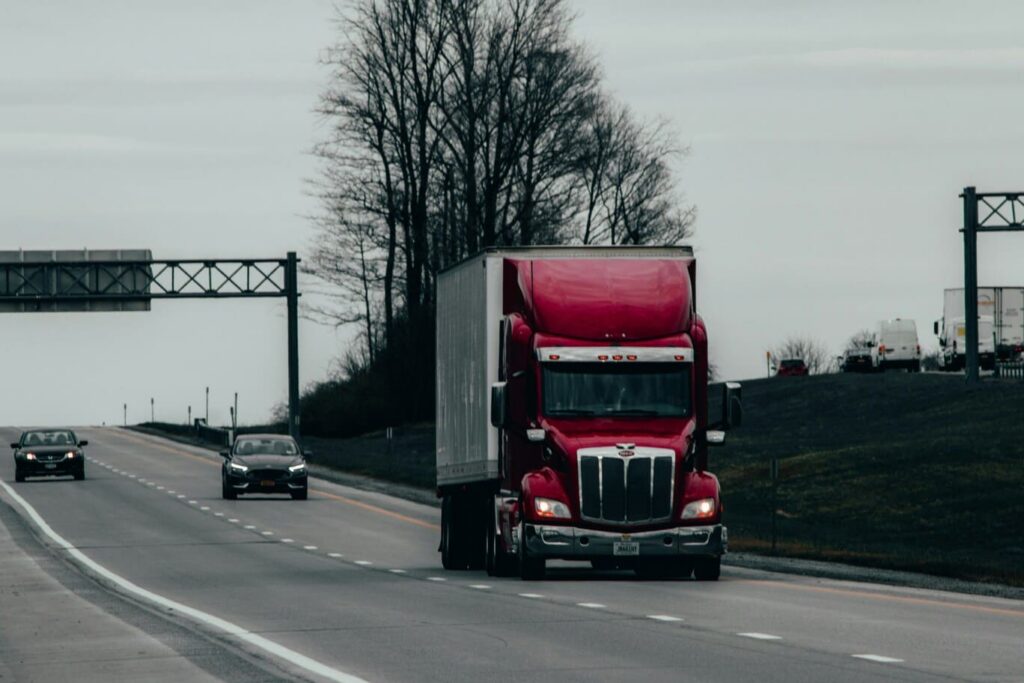
A dry van is a fully enclosed trailer used to transport freight that needs protection from weather, road debris, and theft. Unlike flatbed trailers, dry vans have solid walls, a roof, and locking rear doors, creating a secure environment for cargo during transport.
The standard dry van trailer is typically 53 feet long, making it ideal for hauling a wide variety of palletized and packaged freight.
Because dry vans provide enclosed transportation without requiring temperature control, they offer a cost-effective solution for many types of shipments.
What Are Dry Van Loads?
Dry van loads refer to freight shipments that move in a dry van trailer.
These loads typically consist of:
- Packaged consumer goods
- Retail inventory
- Electronics
- Furniture
- Building materials
- Automotive parts
- Paper products
- Non-perishable food items
- Manufacturing supplies
- E-commerce shipments
If the freight does not require refrigeration and can be loaded through the rear doors of a trailer, there’s a good chance it can be shipped as a dry van load.
Benefits of Dry Van Shipping
Protection from the Elements
One of the biggest advantages of dry van transportation is protection from weather conditions.
Rain, snow, wind, and excessive sun exposure can damage many products. A dry van keeps freight enclosed throughout transit, reducing the risk of damage and helping ensure goods arrive in excellent condition.
Increased Security
Dry van trailers offer greater security than open-deck transportation options.
Since freight is enclosed and not visible from the outside, dry van shipments are generally less vulnerable to theft and tampering. Many shippers prefer dry vans when moving high-value inventory and consumer products.
Cost-Effective Transportation
Compared to specialized transportation equipment such as refrigerated trailers, dry vans often provide a more economical shipping option.
Because dry van trailers are widely available throughout the United States, capacity is typically easier to secure and transportation costs are often more competitive.
Flexibility for Many Industries
Dry van transportation serves a wide variety of industries, including:
- Retail
- Manufacturing
- Consumer packaged goods
- Automotive
- Industrial supplies
- Distribution and warehousing
- E-commerce
This flexibility makes dry van freight one of the most dependable transportation solutions available.
Dry Van vs. Reefer Freight
One of the most common questions shippers ask is whether they need a dry van or a refrigerated trailer.
A reefer trailer includes temperature-control equipment that keeps freight within a specified temperature range. These trailers are used for:
- Fresh produce
- Frozen products
- Dairy products
- Pharmaceuticals
- Temperature-sensitive materials
A dry van, on the other hand, does not provide temperature control.
If your shipment does not require heating or refrigeration, a dry van is often the most practical and cost-effective choice.
Dry Van vs. Flatbed Shipping
While both transportation methods move freight efficiently, they serve different needs.
Dry Van Freight
Best for:
- Packaged goods
- Palletized products
- Freight requiring weather protection
- High-value shipments
Flatbed Freight
Best for:
- Construction materials
- Oversized equipment
- Machinery
- Freight requiring side loading or crane access
If cargo can fit inside an enclosed trailer and doesn’t require special loading methods, a dry van is typically the preferred option.
Who Uses Dry Van Freight?
Dry van loads are commonly shipped by:
- Manufacturers
- Retailers
- Distributors
- Third-party logistics providers
- E-commerce companies
- Industrial suppliers
Because dry vans support such a wide range of products, they remain one of the most requested transportation services in the freight industry.
Need Dry Van Capacity Fast?
In today’s transportation environment, freight needs can change quickly. Whether you’re moving an urgent shipment, managing seasonal demand, or looking for dependable transportation capacity, having the right logistics partner makes all the difference.
At Transport ATC, we help shippers secure reliable dry van transportation across all 50 states. Our nationwide carrier network, responsive communication, and commitment to service allow us to provide dependable freight solutions for both planned and last-minute shipments.
From routine freight moves to expedited transportation needs, our team works to keep your freight moving safely, efficiently, and on time.
Final Thoughts
Dry van loads remain the backbone of freight transportation throughout North America. Their versatility, security, and cost-effectiveness make them the preferred solution for countless businesses shipping non-temperature-sensitive products.
Whether you’re moving retail inventory, manufacturing components, consumer goods, or industrial supplies, dry van transportation offers a dependable way to get freight where it needs to go.
If you’re looking for reliable dry van capacity, expedited transportation solutions, or freight brokerage services, Transport ATC is ready to help.